
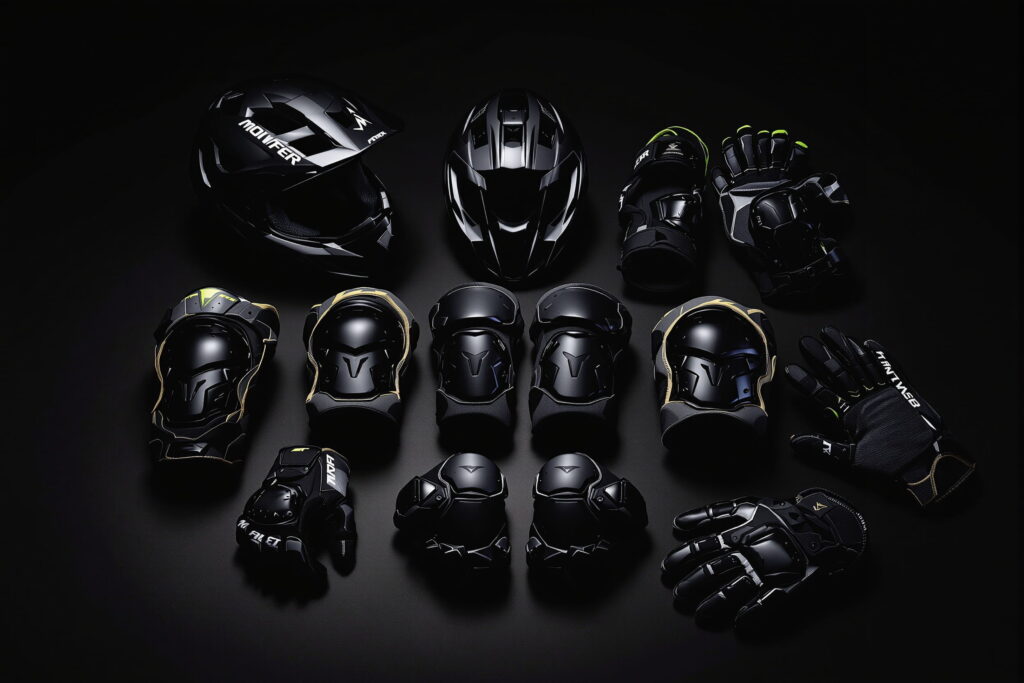
Invest in a high-quality helmet. It’s the first line of defense against impacts, ensuring head safety during rides. Look for models that meet specific safety standards and offer proper ventilation for comfort.
Don’t overlook knee and elbow pads. They significantly reduce the risk of injury from falls and rough terrain. Opt for lightweight and flexible options that provide ample protection while allowing freedom of movement.
Selecting the right gloves can enhance grip and prevent blisters. Pick materials that are breathable and provide adequate cushioning, ensuring comfort on longer trails. A firm grip is vital for maintaining control.
Consider wearing a protective jacket that guards against abrasions and harsh weather conditions. Look for features like reinforced areas and water resistance to keep dry without sacrificing mobility.
Lastly, invest in padded shorts for enhanced comfort during extended rides. They absorb shock and reduce friction, helping maintain focus on the trail ahead. Prioritize fit and fabric to enhance your experience.
Choosing the Right Helmet for Your Riding Style
Select a helmet that meets your specific riding preferences. For downhill enthusiasts, a full-face helmet provides maximum coverage and protection, particularly in high-speed and aggressive terrains.
Cross-country riders should consider a lighter, open-face model. These helmets often include ample ventilation to keep you cool during long ascents while still offering a degree of safety without added weight.
Freeriders, who need a balance between protection and breathability, might opt for a half-shell. This type typically integrates features like visor adaptability and variable ventilation systems.
- Verify the helmet meets safety standards such as CPSC, EN1078, or ASTM.
- Test the fit by ensuring it sits snugly without excessive pressure on the forehead.
- Consider adjustable straps for personalized comfort.
It’s also advisable to pay attention to the interior padding. High-quality foam can enhance comfort and impact absorption. Look for helmets with removable and washable liners for hygiene.
Finally, do not overlook the aesthetic aspect; a design you like can boost your confidence on the trail. Choose a color scheme and graphics that reflect your personality, allowing you to express yourself while riding.
Understanding Body Armor Options for Maximum Safety
Invest in impact-resistant vests designed to protect your torso. Look for models made with high-density foam or composite materials that absorb shocks effectively. These vests should be lightweight yet durable, offering freedom of movement without compromising safety. Features like adjustable straps ensure a snug fit, which is critical during high-speed descents or rugged terrains.
Leg armor is another key element of your protective setup. Knee and shin guards should incorporate hard shells over soft padding for optimal defense against falls. Models with a breathable or moisture-wicking lining enhance comfort on long rides. Ensure that knee guards allow full articulation to avoid restriction while pedaling.
Don’t overlook back protectors; they are often the most disregarded yet crucial components. These should feature segmented plates for flexibility alongside a central spine plate for maximum protection. Prioritize options with adjustable harness systems, which help maintain the right position during rides. Selecting the right armor can significantly reduce the risk of injuries in the event of an accident.
Footwear Selection: Finding the Perfect MTB Shoes
Prioritize the fit. Choose shoes that hug your feet without being restrictive. A snug fit improves control over the pedals and reduces the chance of blisters during long rides.
Consider the sole stiffness; stiffer soles enhance power transfer while pedaling, but they can sacrifice comfort during hikes. A balance between stiffness and flexibility often works best for varied terrain.
Look for shoes with a robust rubber outsole. This material offers excellent traction and durability, critical for handling slippery or uneven surfaces with confidence.
Closure mechanisms play a significant role in comfort and usability. Laces provide adjustability, while Velcro straps and BOA systems offer convenience for quick on-and-off access, especially post-ride.
Waterproofing can be invaluable, especially in wet conditions. Shoes with a waterproof membrane keep feet dry, although breathable materials should not be overlooked for warmer days.
Weight matters; lightweight options enhance agility but may compromise on protection and durability. Assess your riding style to find an ideal weight that suits your preferences.
Reflect on the intended usage. Different styles, such as clipless or flat, cater to various preferences and riding disciplines. Choose according to the type of pedal system you prefer and how you ride.
Lastly, don’t shy away from trying multiple brands and models. Personal comfort is subjective; testing shoes in-store or during short rides can help identify the pair that feels just right.